

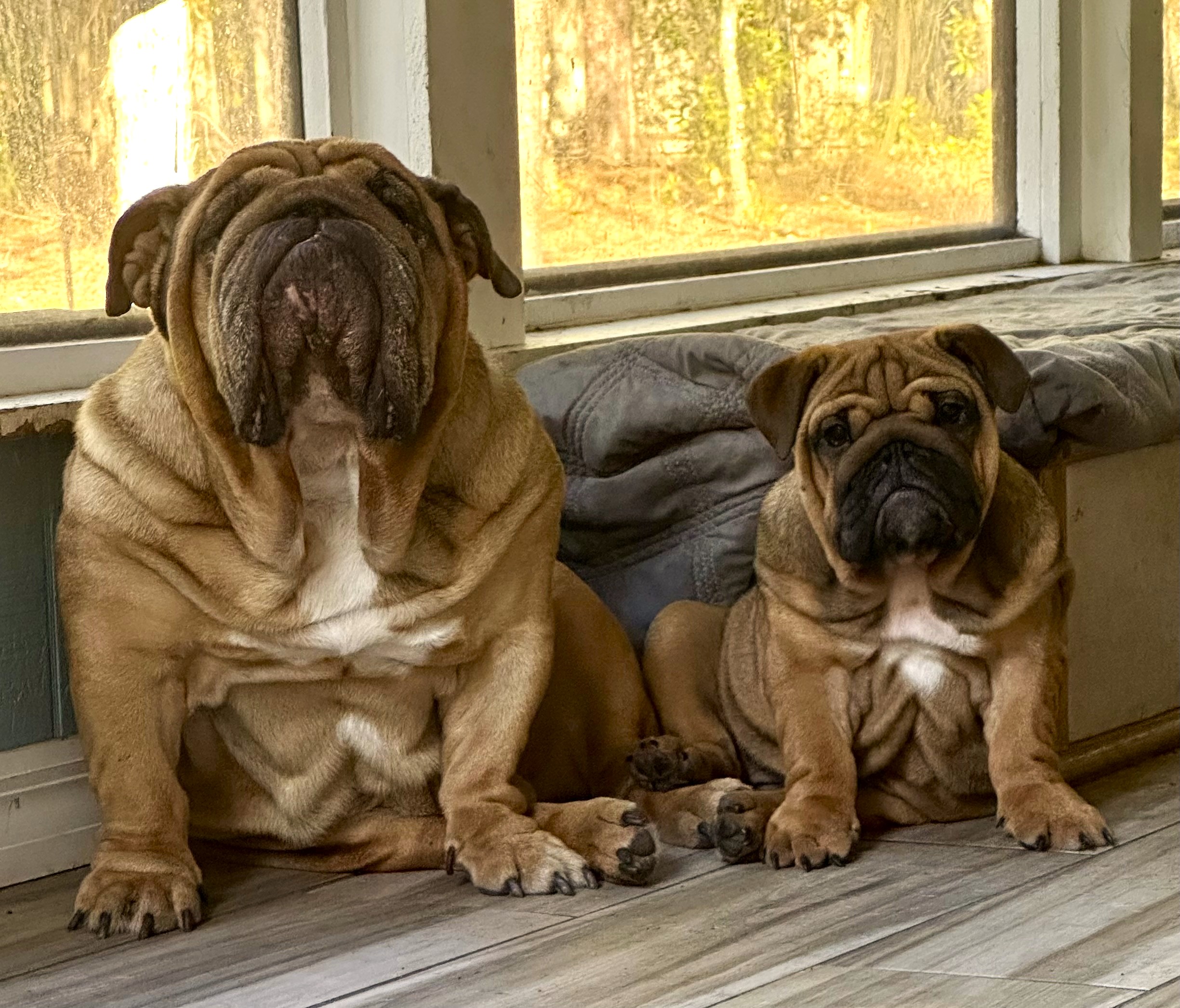
Bringing home a Bulldog puppy means stepping into the role of health manager from day one. These pups aren’t like other breeds. They come wrapped in wrinkles, personality, and a few special needs that require an owner who understands prevention, routine care, and when to act quickly. The good news? When you know what’s normal, what’s concerning, and what simple habits matter most, raising a healthy Bulldog becomes much easier — and far more rewarding.
Prevention is everything with this breed. It saves money, stress, and in some cases, it truly can save your puppy’s life. Here’s what every Bulldog puppy owner should know, straight from someone who’s raising them in the Florida heat every single day.
Vaccination Schedules Can’t Be Skipped
Your Bulldog puppy’s immune system is developing rapidly, and proper vaccination timing is the foundation of their long-term health. Maternal antibodies fade as the weeks go on, creating vulnerable windows where a puppy isn’t protected unless their vaccine schedule stays on track.
Here in our program, our puppies receive their first vaccination at eight weeks, and if a puppy stays with us until twelve weeks, they receive their second round. Every family goes home with a vet-issued health certificate — not a handwritten card — so their veterinarian can see exactly what’s been administered and evaluate the puppy with fresh eyes. I require families to have their vet examine the puppy within seven days of going home. It’s reassurance for everyone, and it makes sure the puppy’s transition is off to a healthy start.
I also warn families that until vaccines are fully completed, public places are a no-go. Pet stores, dog parks, grassy rest stops, and even well-meaning neighbor dogs can pose a risk. Parvovirus doesn’t care how excited you are to show off your new puppy. Staying cautious for a few weeks produces a lifetime of safety in return.
Parasite Prevention Starts Early
Bulldog puppies, like all puppies, are born at risk for parasites — but preventing them is far easier than treating them.
We begin deworming at four weeks and repeat every two weeks until the puppies go home. When our vet performs the health certificate exam, each puppy receives a complete fecal test to
ensure everything looks clean before they ever leave our care. Their heart, lungs, joints, and overall condition are also checked during this visit.
I don’t send puppies home on flea, tick, or heartworm preventatives because those medications are tailored to individual age, weight, and household needs. But I always encourage families to discuss options with their vet right away. In Florida, heartworm disease and fleas don’t take a season off — and neither should prevention.
Spaying & Neutering: Timing Matters More Than People Think
There was a time when everyone said, “Fix your dog at six months.” That’s outdated advice, especially for Bulldogs. Their joints and hormones need more time to develop, and altering them too early can negatively affect their growth.
I require in my contract that no Bulldog puppy from my program be spayed or neutered before one year old. Ideally, the window is between twelve and twenty-four months. For females, this often means they will experience their first heat cycle before being spayed. Many families aren’t prepared for that, so I walk them through what to expect, how to manage it, and how to keep everyone sane during those weeks. It’s not as scary as it sounds — just another part of raising the breed responsibly.
Breathing Problems Aren’t “Just Bulldog Things”
Bulldogs snort, snuffle, and make noises that would concern anyone unfamiliar with the breed. But there’s a difference between “Bulldog normal” and “Bulldog needs help.”
Most of our puppies breathe beautifully and don’t show any airway concerns early on. As adults, a couple of our dogs have had soft palate corrections, not because they were in crisis, but because Florida heat demands dogs who can breathe comfortably. When done proactively, airway surgery dramatically improves a Bulldog’s quality of life.
I teach families that playful snorting, huffing, and bulldozing around the house is normal. What’s not normal is a puppy relaxing and sounding like they’re struggling, waking themselves up gasping, or panting heavily without exertion. Those are reasons to see a vet.
And during spay or neuter, I always tell families to have their vet evaluate the airway. That’s the ideal time — the puppy is already under anesthesia, so if a soft palate adjustment is needed, it can be handled right then without additional sedation later.
Weight Management Prevents Long-Term Problems
Bulldog puppies are adorable when they’re chunky, but extra weight strains their joints, restricts their breathing, and sets them up for lifelong issues. Quality food matters, measured portions matter, and realistic expectations matter.
My puppies go home eating Purina Pro Plan Sensitive Skin & Stomach Lamb Puppy Formula. I tell families to follow the directions on the bag and adjust based on what their puppy shows them. If they’re polishing off every meal and still clearly hungry, increase by half a cup. If they leave food behind, decrease slightly. Puppies grow fast, and their needs shift quickly.
In my home, I free-feed — and with nine Bulldogs, it has solved a lot of problems. My dogs don’t scarf food, they don’t choke, they don’t bloat, and they don’t fight. They know food is always there, so eating doesn’t become a race or a resource. But free-feeding doesn’t work in every home, especially those with other pets already on schedules. For most families, structured feeding three to four times a day is best.
Wrinkle Care Prevents Infections Before They Start
Those beautiful Bulldog wrinkles can turn into bacteria traps if ignored, especially around puberty. Puppies don’t usually develop yeast or odor early on, but the habits formed now make adulthood much easier.
I tell families to start gently. A dry paper towel is perfect. Hold their face, lift the wrinkles, wipe gently, and help them get used to seeing that white napkin near their eyes and nose. This isn’t about cleaning yet — it’s about cooperation. Once adolescence hits, daily cleaning becomes non negotiable.
Tail pockets are the exception. Even babies can trap bacteria there, so I recommend checking and wiping them early. It’s not glamorous, but it prevents a lot of issues later.
Dental Care Begins With Handling
My dogs don’t get their teeth brushed at home — I’m honest about that. Their teeth are evaluated during annual vet visits, and they get professional cleanings when needed. What I do start early is mouth handling. Lifting lips, touching gums, letting them taste toothpaste if families want to try brushing — all of that creates familiarity.
I also offer dental chews in my shop, and many families use those between cleanings.
Exercise Needs Balance and Common Sense
Bulldog puppies are little wrecking balls of enthusiasm, but their joints aren’t finished growing. Too much high-impact play early on leads to the same type of aches and issues we humans get from our skateboarding days. Controlled play equals healthier, happier Bulldogs.
Short bursts of play, followed by rest, are perfect. I tell families that developing bodies shouldn’t be encouraged to launch off furniture, race up and down stairs, or play rough with big dogs until they’ve matured. It’s not about restricting fun — it’s about protecting their future.
Around seven weeks, our puppies begin meeting some of our calmer adult Bulldogs out on the pupternity porch. It’s supervised, gentle, and incredibly important. They learn dog manners that Mom alone can’t teach. And once families take their puppies home, I always recommend beginner puppy training. Even the basics can change the entire relationship between a family and their Bulldog. PetSmart’s beginner program works well for most households, and for my North Florida families, I have trusted trainers I refer them to.
Temperature Regulation Can Be Life or Death
Florida Bulldogs face risks that northern dogs simply don’t. Heat and humidity affect Bulldogs faster and more dramatically than most breeds.
My home stays around 76 degrees year-round. It keeps everyone comfortable, gives them cool floors to stretch out on, and lets them recover easily after going outside. Bulldogs adore air vents — mine stand over them like they’re at the spa.
I warn every family that heatstroke can happen in minutes. Bulldogs don’t sweat, and they can’t cool themselves efficiently. I also teach a couple of quick remedies that help in early signs of overheating: a little hydrogen peroxide dabbed on the paws or nose helps draw heat from the core, and a touch of lemon juice can break up phlegm so breathing becomes easier. But these are temporary measures. If a Bulldog is showing real distress, that is always an emergency.
Regular Vet Visits Catch Problems Early
Puppies in our program visit the vet at eight weeks, and again at twelve weeks if they’re still with us. They’re examined head to toe, and families receive a health certificate that documents everything clearly.
I tell every new owner to schedule a vet visit within a week of going home. It confirms that the puppy is adjusting well, gives the family a chance to ask questions, and helps the vet set up a
long-term care plan. Bulldogs benefit enormously from seeing veterinarians familiar with the breed, so I always suggest finding a clinic that understands brachycephalic dogs.
Insurance Might Save You More Than You Expect
Bulldogs are lovable, goofy, and sometimes a little too adventurous for their own good. Zeus, for example, is convinced that rocks are snacks — and every time we stop him from eating one, he finds another. Bulldogs are mouthy. They chew what they shouldn’t. They injure themselves in ridiculous ways. And their medical care can get expensive quickly.
This is why I partner with Trupanion and Fido (through Good Dog). I walk families through what coverage means, what to look for, and what “breed exclusions” are so they don’t buy a policy that won’t help them.
For families hesitant about insurance, I offer another option: create a Bulldog savings account. Whatever you would have spent on premiums — even $25 or $50 a month — tuck it away. It pays for spay/neuter, emergencies, or surprise vet visits. If you never need it, that’s a blessing, not a waste.
Bulldogs simply benefit from having a plan. They rely entirely on their humans to keep them safe, healthy, and comfortable. They can’t tell you when they’re in trouble. You’re their voice.
Your Bulldog Puppy Depends on You — But You’re Not Alone
Raising a Bulldog puppy isn’t just about food and cuddles. It’s about paying attention, staying proactive, and knowing when to ask questions. Your Bulldog only has you. They depend on you for everything — comfort, safety, health, and love.
My goal is for every family to feel prepared, confident, and supported. I want you to know that when you bring home a Bullgodz puppy, you’re not navigating this journey alone. You have a partner who has walked this road hundreds of times and is always happy to walk it with you.
Healthy Bulldogs live longer, happier lives — and with the right habits from the start, yours absolutely can too.